
Music as the heartbeat of Brazil
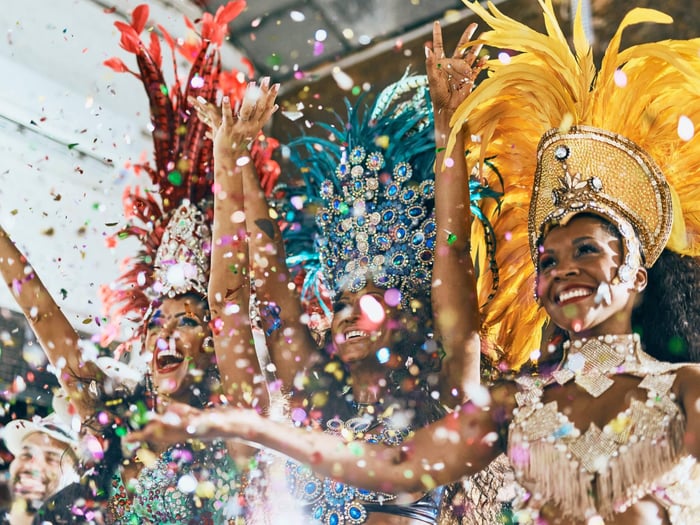
Music in Brazil reflects centuries of cultural exchange between Indigenous communities, African heritage, and European influence. Samba may be the most internationally recognised sound, but it sits alongside an extraordinary range of regional styles.
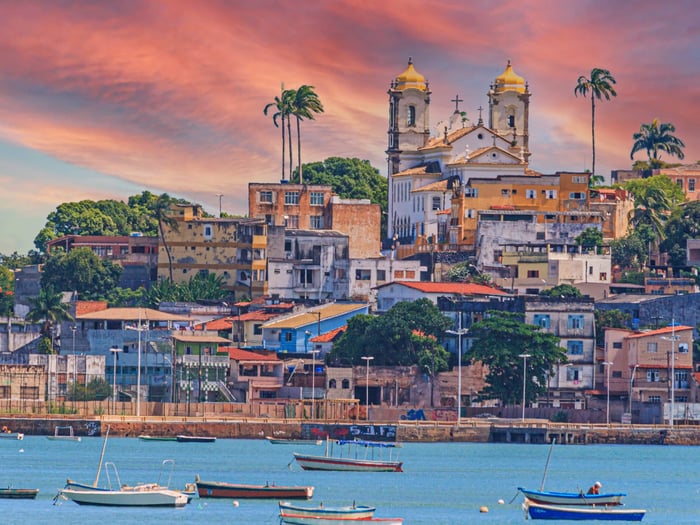
In the north east, Salvador is the spiritual home of Afro-Brazilian music. Drumming styles such as samba-reggae and rhythms linked to Candomblé ceremonies echo through the streets, particularly in the historic Pelourinho district. In Rio de Janeiro, samba takes on many forms, from the polished parades of the Sambadrome to informal roda de samba gatherings in neighbourhood bars.
Travel south and the soundtrack changes again. In Minas Gerais, music is often more reflective, shaped by folk traditions and storytelling. In the far south, influences from neighbouring countries bring different instruments and tempos, creating a soundscape that feels closer to the pampas than the coast.
Dance as expression and identity
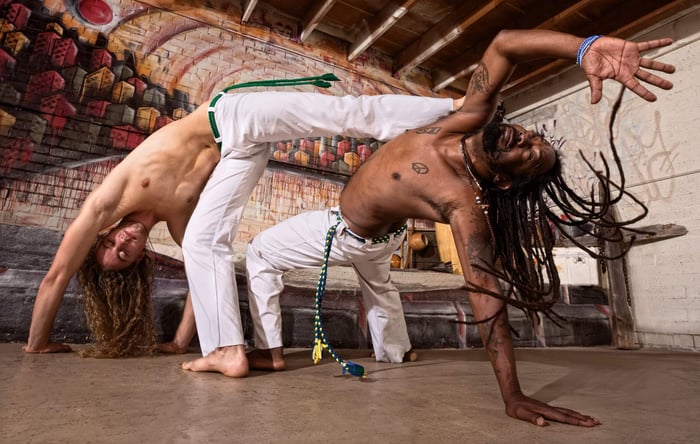
Dance in Brazil is inseparable from music, but it is also deeply connected to community and history. Capoeira, developed by enslaved Africans, blends martial art, dance and music. Watching or taking part in a capoeira circle offers insight into resilience, resistance and cultural pride.
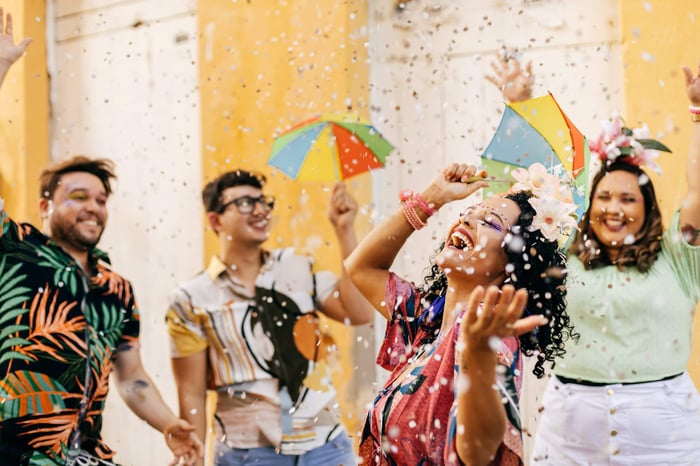
Other dances are rooted in local festivals rather than national stages. Forró in the north east brings people together in open air squares, especially during the June festas juninas. These celebrations combine music, dance, food and folklore, offering travellers a chance to experience Brazilian culture in a more intimate and local setting.
Everyday culture beyond the festivals
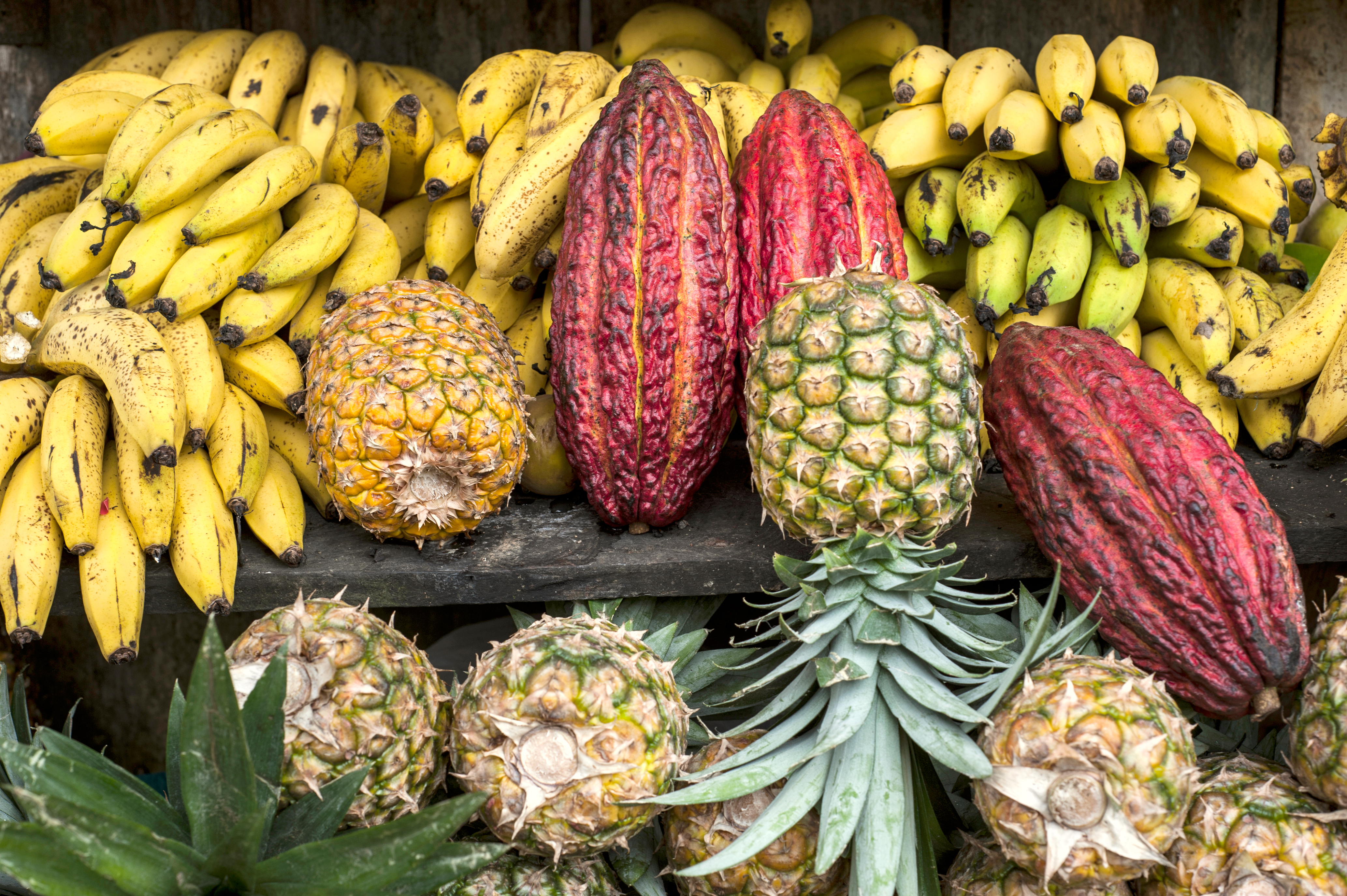
Brazilian culture is not limited to major events. It is found in daily rituals, from long lunches shared with family to conversations over strong coffee. Markets are a sensory introduction to regional life, filled with tropical fruit, fresh juices and local snacks that vary from state to state.
Religion and spirituality also play a visible role. Catholic traditions sit alongside Afro-Brazilian belief systems, often blending in ways that are unique to Brazil. Churches, terreiros and community celebrations reflect this layered spiritual landscape and its importance in shaping cultural identity.
Regional traditions and diversity
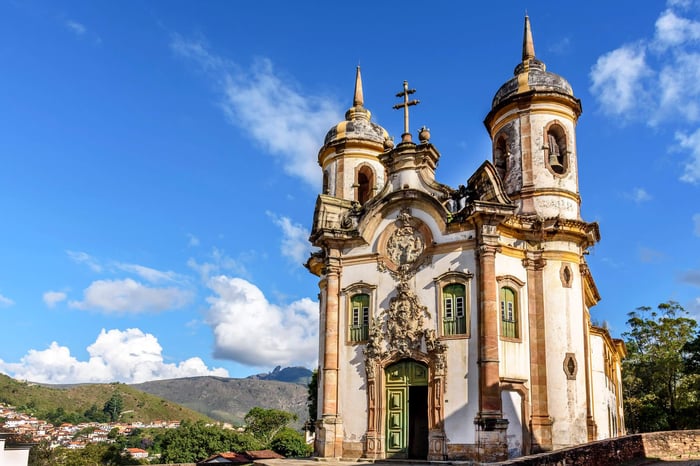
One of Brazil’s greatest cultural strengths is its regional diversity. The Amazon region has traditions shaped by the river and rainforest, with Indigenous heritage remaining central to local identity. The north east carries strong African influences, visible in music, cuisine and religious practice. The south reflects waves of European immigration, particularly from Italy and Germany, which have left their mark on architecture, food and customs.
Travelling between these regions feels like moving through several countries in one journey. This diversity is what makes Brazil endlessly rewarding for travellers who are curious and open to exploring beyond the familiar.
Experiencing Brazil with context and care
To truly connect with Brazil’s rhythms and culture, travel benefits from time, context and local insight. Visiting community projects, attending small scale music events, or learning about regional history with a knowledgeable guide adds depth to the experience. It moves the journey beyond observation and towards understanding.
Brazil is vibrant, complex and deeply human. Carnival may open the door, but it is the everyday rhythms, regional traditions and cultural stories that leave a lasting impression. For travellers willing to look beyond the headline celebrations, Brazil offers a cultural journey that is rich, layered and endlessly engaging.
Bringing Brazil’s culture into your journey
Many of our Brazil itineraries are designed to showcase this cultural depth, weaving music, history and local life into each stage of the journey.
In Rio de Janeiro, time can be spent beyond the famous beaches and landmarks, exploring neighbourhoods where samba schools rehearse year round or enjoying live music evenings that reflect the city’s creative spirit. Combined with guided city tours and private experiences, Rio becomes more than an icon and instead a place of lived culture.
In Salvador and the north east, itineraries often highlight Afro-Brazilian heritage through historic walking tours, local markets and opportunities to experience music and dance rooted in African traditions. These journeys offer insight into Brazil’s cultural foundations while supporting local guides and community led experiences.
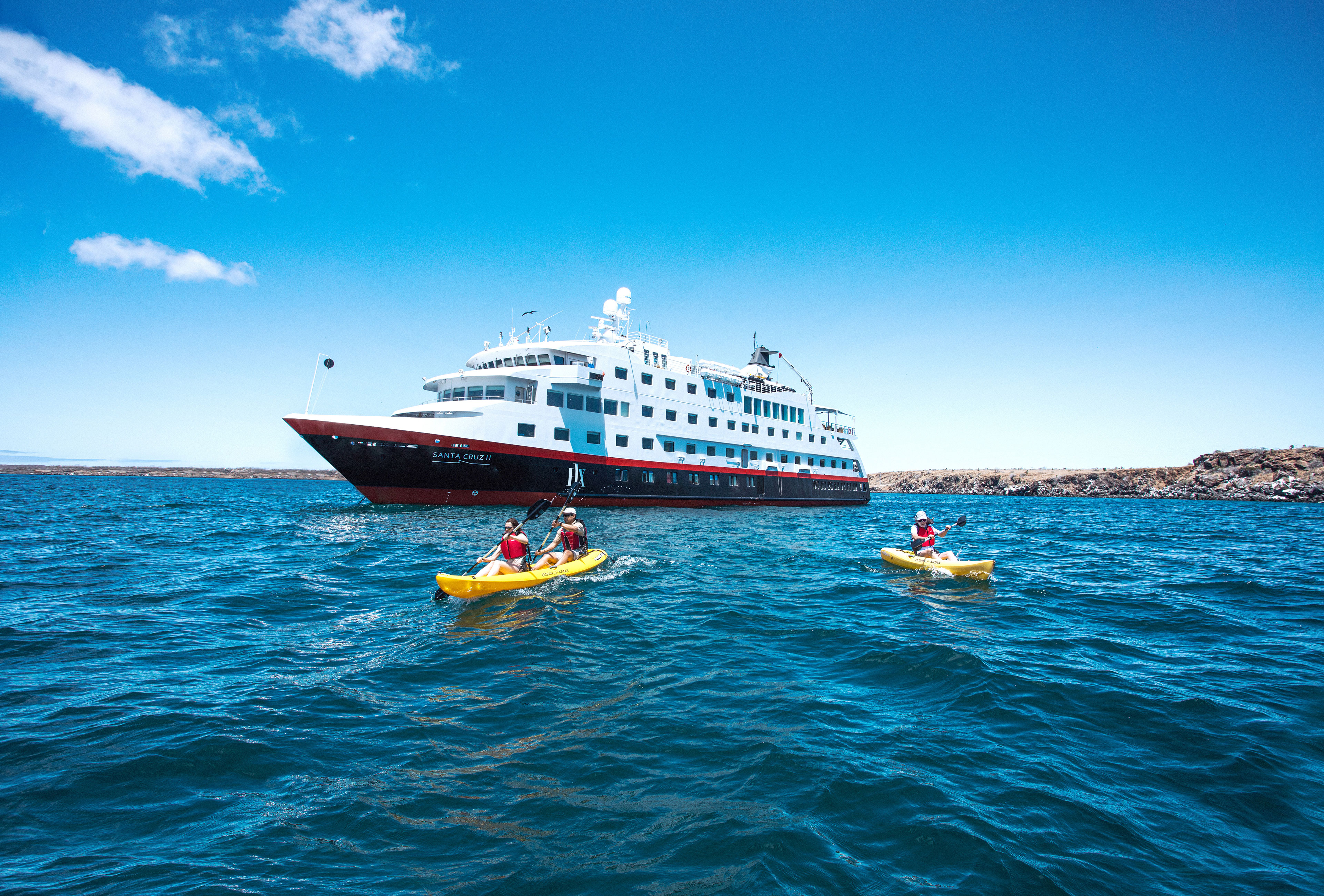
For travellers drawn to regional diversity, longer journeys through Brazil connect contrasting areas such as the Amazon, the colonial heart of Minas Gerais and the cultural south. River based experiences in the Amazon focus on Indigenous heritage and everyday life along the waterways, while inland cities introduce a quieter, more reflective side of Brazilian culture through food, music and storytelling.
Our tailor made Brazil holidays allow these cultural elements to be shaped around your interests, whether that means prioritising music and festivals, exploring spiritual traditions, or simply slowing the pace to connect more deeply with local life.
FAQs
When is the best time to experience Brazil’s cultural traditions?
Brazil’s culture is alive year round. Carnival takes place between February and March, but music, dance and local festivals happen throughout the year. June is ideal for festas juninas in the north east, while quieter months such as May and September are well suited to travellers who want a deeper cultural experience without peak season crowds.
Do I need a visa to travel to Brazil?
Visa requirements vary depending on passport type. UK passport holders should check current entry requirements before travelling, as regulations can change. Your Latin Routes travel specialist will advise on the latest guidance as part of your booking.
Which parts of Brazil are best for music and cultural experiences?
Rio de Janeiro and Salvador are two of the most culturally rich cities, particularly for music and dance. The north east offers strong Afro-Brazilian traditions, while regions such as Minas Gerais provide a more reflective cultural experience through food, history and local life. Multi region journeys allow you to experience this diversity in one trip.
Can Brazil be explored beyond Carnival season?
Absolutely. Carnival is just one expression of Brazil’s culture. Visiting outside this period allows travellers to experience everyday rhythms, local festivals, live music evenings and community traditions that are often missed during the busiest weeks of the year.
How do Latin Routes holidays showcase Brazilian culture?
Latin Routes itineraries are tailor made and often include guided city tours, cultural walking experiences, local music and dance encounters, and time to explore neighbourhoods beyond the main landmarks. Where possible, journeys are designed to support local guides and community led experiences.
Is Brazil suitable for first time travellers to Latin America?
Brazil is a rewarding destination for first time visitors, especially when travel is carefully planned. Private transfers, knowledgeable local guides and well paced itineraries help ensure a smooth and enriching experience, allowing travellers to focus on culture, scenery and connection.
How much time should I allow for a cultural trip to Brazil?
Brazil is vast, so allowing at least 10 to 14 days is recommended to experience more than one region without rushing. Longer trips offer the chance to combine cities, countryside and the Amazon for a broader cultural perspective.
Can cultural experiences be combined with nature and wildlife?
Yes. Many travellers combine cultural highlights with natural environments such as the Amazon rainforest or coastal regions. These journeys balance music, history and local life with wildlife, landscapes and slower paced experiences.